_1753256285958.png)

_1754990596544.webp)
Differences in Corrosion Resistance Among Metal Clasp Frames Made from Various Materials
 2026-05-15 09:31:01
In both industrial and fashion accessory applications, the choice of metal clasp frame has a considerable influence on product longevity and visual attractiveness. In order to achieve maximum performance, it is essential for procurement experts to understand the variations in corrosion resistance across different materials. Under certain climatic circumstances, different types of iron and zinc alloys, stainless steel variations, brass compositions, and aluminum alternatives display different behaviors when it comes to corrosion. Replacement cycles, maintenance needs, and overall manufacturing cost-effectiveness are all affected by these material properties.
Understanding Corrosion Resistance in Metal Clasp Frames
Metals corrode when they come into contact with oxygen, moisture, and salt compounds in the environment, leading to a slow but steady breakdown of the material. The structural integrity and aesthetic appeal of hardware components are both eroded by this natural process, which may lead to higher replacement costs and unhappy customers.
Primary Corrosion Mechanisms Affecting Hardware Components
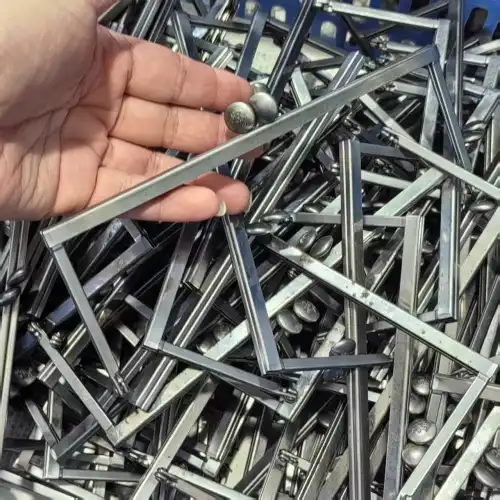
Metal clasp frame surfaces in wet conditions that come into contact with oxidizing substances initiate the electrochemical process. The process of galvanic corrosion speeds up the deterioration of materials when metals with different electrical potentials come into contact with one another. When metal surfaces are attacked in specific areas, pitting corrosion develops, which weakens the structure by generating tiny holes.
Corrosion rates are greatly affected by environmental conditions such humidity, salt exposure, and temperature variations. Components degrade more quickly in coastal areas with high salt content, yet in regulated environments, they last longer when used inside. Procurement teams may better anticipate application-specific performance needs when they have a firm grasp of these processes.
Material Selection Impact on Durability
There is a wide range of corrosion resistance across metal compositions. There is chromium in stainless steel alloys, which generates oxide layers that protect the metal, and there is patina in brass, which may either protect or damage the metal depending on the circumstances. For regulated indoor applications, zinc alloy components are a good choice due to their mild protection provided by sacrificial coating qualities.
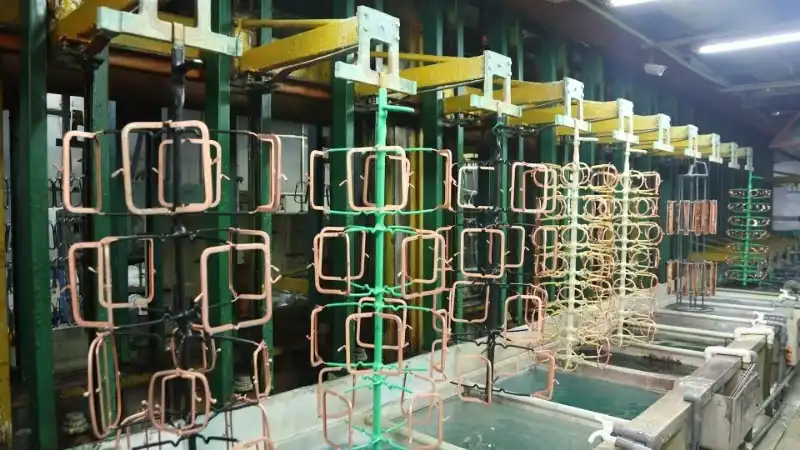
Protective coatings and surface treatments improve the inherent corrosion resistance of any material. Isolating base metals from corrosive elements is achieved by the creation of barrier layers using electroplating, powder coating, and anodizing procedures. Because iron does not naturally resist corrosion, these treatments become crucial for iron-based components.
Comparative Analysis of Corrosion Resistance by Material Type
Metal clasp frame applications' performance expectations and maintenance needs are directly impacted by material choices. Procurement choices across a variety of sectors are impacted by the unique pros and cons of each metal type.
Stainless Steel Performance Characteristics
Stainless steel and its variations are perfect for use in coastal areas and marine conditions due to their high resistance to moisture and salt. Even after scratches, the chromium content's self-healing oxide layers keep the surface protected. Grade 316 stainless steel is more expensive than grade 304, but it is worth it for high-stress applications because to its improved resistance to chlorides.
Stainless steel's resistance to corrosion may be improved via the manufacturing process through the use of heat treatment and surface finishing. To avoid sensitization, which lowers local corrosion resistance, weld joints must be carefully monitored. Beyond the original material expenditures, several variables impact overall cost considerations.
Brass and Bronze Alloy Considerations
Depending on the intended use, the characteristic patina that brass components acquire over time may be either an attractive aesthetic effect or a troublesome discolouration. Corrosion behavior is affected by the copper concentration; materials with a greater copper % provide superior resistance to certain conditions, but they also cost more.
The warm look and aging qualities of brass make it a popular choice for high-end fashion applications. Nevertheless, to keep brass from tarnishing in damp environments, regular care is necessary. Protective lacquer coatings preserve the material's inherent attractiveness while extending its look retention. Lifecycle cost assessments need to take these maintenance needs into account.
Zinc Alloy and Iron Component Analysis
Indoor applications with modest environmental exposure may benefit from the cost-effectiveness of zinc alloy metal clasp frames. Zinc coatings use galvanic activity to shield underlying materials due to their sacrificial character. But these coatings wear off with time, so you'll have to recoat or replace them.
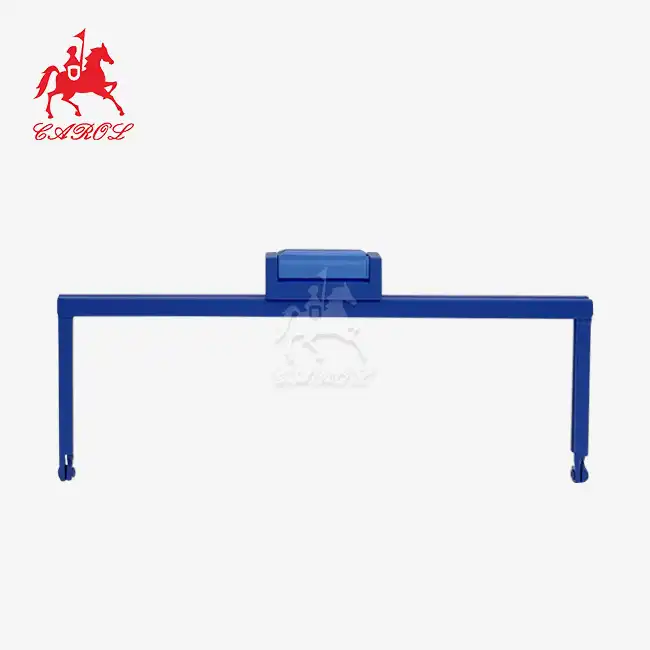
Corrosion of iron components in damp conditions occurs quickly in the absence of preventive measures. A protective layer is formed by electroplating with zinc, nickel, or chrome, which greatly increases the service life. To achieve a happy medium between affordability and style, we use iron and zinc alloy combinations with rose gold finishing on our square metal clasp frames. The 17.8 x 6.5 cm dimensions are the perfect balance of form and function.
The inherent corrosion vulnerability of iron is mitigated by modern surface treatments. Plating systems with many layers provide strong protection that can withstand tough environments. For these treatments to have consistent coverage and strong adherence, quality control must be meticulous.
Procurement Considerations: Selecting Metal Clasp Frames for Corrosion Resistance
Procurement techniques that take environmental exposure circumstances into account effectively balance performance needs with cost restrictions. Material selection is guided toward optimum value propositions by understanding application-specific demands.
Environmental Assessment Requirements
You may anticipate a material's performance to be affected by its exposure to chemicals, temperature ranges, and humidity. Indoor uses may be able to get away with less expensive material choices, whereas coastal areas need more chloride resistance. For the purpose of making comparisons, salt spray testing gives objective data on performance.
Specialized material selection is required for industrial settings with chemical exposure. Corrosion of most metals is accelerated in acidic environments; solutions including stainless steel or specialised alloys are necessary. The longer service intervals provided by these harsh settings more than make up for the higher material costs.
Quality Control and Certification Standards
Consistent corrosion resistance performance is guaranteed by reputable suppliers' thorough quality control procedures. The independent verification of material qualities is provided by SGS testing, while ISO9001 certification confirms systematic quality management. Aside from bolstering warranty claims in the event of performance faults, these certifications also lessen procurement risks.
Experimental techniques have to include procedures for accelerated aging, humidity cycling, and exposure to salt spray. After being exposed to the environment, tensile strength tests may be used to determine how much a material has degraded. Replacement scheduling and lifespan cost forecasts are both made possible by these test findings.
Customization Capabilities and Service Support
Depending on the use, you may customize the material to make it more corrosion resistant. Optimal performance and cost management are achieved by optimization of size, alloy composition, and surface treatment choices. Standard dimensions and bespoke specifications are both supported by our production capabilities, allowing us to satisfy the different application needs.
Issues are resolved and designs are optimized more quickly with responsive technical help. Based on application research and performance requirements, experienced engineering teams make material suggestions. With this consulting service, you may avoid wasting money on unnecessary trials and errors while still getting the best materials.
Maintenance and Repair Practices to Extend Metal Clasp Frame Life
By implementing proactive maintenance procedures, component service life is greatly extended while appearance requirements are maintained. Maximizing maintenance efficiency and effectiveness is possible with a thorough understanding of material-specific care needs.
Cleaning Procedures and Protective Treatments
Corrosive deposits may be prevented from causing lasting harm by regularly cleaning. Most metals may be cleaned thoroughly with mild detergent solutions without damaging their surfaces. To prevent protective coatings from being removed, abrasive cleaners should not be used.
Following cleaning methods, corrosion resistance may be restored by the application of protective coatings. Lacquer systems give long-term protection, whilst wax-based protectants only provide transient protection from moisture. These treatments need to be reapplied at regular intervals according to the amounts of environmental exposure.
Inspection and Replacement Criteria
Early corrosion indications may be identified by visual examination before structural deterioration occurs. Surface discoloration, pitting, and accumulation of material are signs of degradation that has to be addressed. Predictive maintenance scheduling is made possible with the documentation of inspection data.
Both practical performance and aesthetic needs should be taken into account when determining replacement criteria. Some surface corrosion could be OK for components that aren't visible, but hardware that is will need quick repair. Decisions on repair vs replacement are guided by cost-benefit analyses that take remaining service life expectations into account.
Case Studies: Successful Procurement Based on Corrosion Resistance
Applying this theory to real-world scenarios shows how material selection affects operational performance and consumer happiness. These examples showcase how decisions are made and the results of those decisions in terms of performance.
Luxury Handbag Manufacturing Success
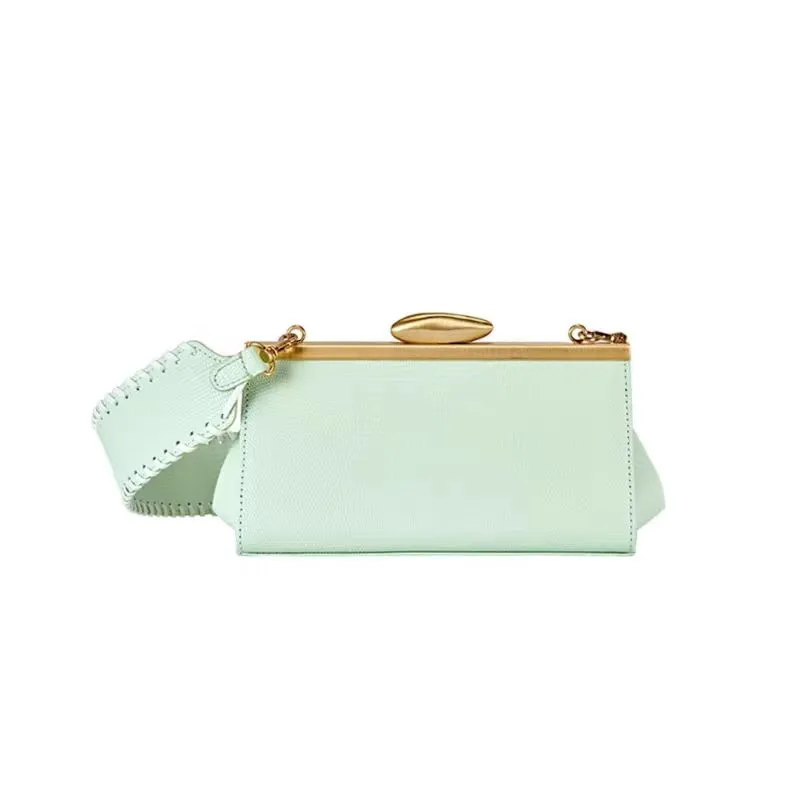
For its coastal market items, a luxury handbag maker opted for brass components finished with protective lacquer. This combination not only resisted the salt air exposure typical in their target areas, but it also offered the required visual appeal. Both the visual appeal and the long-term reliability of the product were praised by customers.
Gentle cleaning and occasional recoating were part of the regular maintenance procedures to keep the appearance standards up. This preventative measure bolstered premium pricing efforts and averted warranty claims. They further solidified their brand's reputation for excellence by investing in high-quality components.
High-Volume Production Optimization
In their mid-range product line, a prominent bag maker used zinc alloy components with sophisticated coating techniques. This material combination met the performance goals for normal travel situations while also meeting the economical requirements. Customization of plating standards was made cost-effective due to production quantities.
In order to ensure uniformity between batches, statistical sampling and accelerated aging tests were used as part of the quality control methods. Field failures were avoided and manufacturing efficiency was maintained via this methodical technique. The firm was able to successfully combine production economics with material science, which led to their success.
Custom Application Solutions
For their high-end product line, a maker of specialized gifts needed particular measurements and coatings. The best corrosion resistance for their unique application needs was achieved via custom alloy selection and sophisticated surface treatments. The collaboration between manufacturer and supplier resulted in innovative solutions meeting exact specifications.
Engineering support throughout the development process ensured optimal material selection and processing parameters. By working together, we were able to reduce technical risks and speed up product development. The launch's success proved that suppliers' knowledge in material optimization was crucial.
Carol Metal: Your Premier Metal Clasp Frame Supplier
Metal clasp frames made by Carol Metal are second to none, and they're designed to withstand corrosion like no other. Stainless steel, aluminum, zinc alloy, brass, and bespoke material solutions that have been quality-tested to surpass global benchmarks are all part of our extensive product range.
With a space of 4,500 square meters and more than 100 pieces of professional production equipment, our modern manufacturing plant can produce 30 million units each year. The integrated electroplating facility ensures complete process control from initial design through final packaging, eliminating external dependencies while maintaining consistent quality standards.
Thorough testing techniques using specialist equipment including tensile testing machines, impact resistance analyzers, and corrosion exposure chambers are an integral part of quality assurance systems. The reliability of performance data that supports material selection choices and warranty promises is ensured by these capabilities.
With customizable choices for size, material composition, and surface treatment, customization services cater to the needs of OEMs and ODMs. Material selection for different environments and performance needs may be optimized with the aid of technical advice. To guarantee a successful project execution and client satisfaction, our attentive service staff offers prompt help throughout the procurement process.
Contact email:tony@carolxiao.com.
Conclusion
Material selection significantly impacts the corrosion resistance and overall performance of metal clasp frames across various applications. Stainless steel provides superior protection for demanding environments, while brass offers aesthetic appeal with moderate resistance requirements. Zinc alloy and iron combinations deliver cost-effective solutions when properly protected through advanced surface treatments. Understanding these material characteristics enables informed procurement decisions that balance performance requirements with cost considerations. Successful implementation requires careful environmental assessment, quality supplier selection, and proactive maintenance programs to maximize component service life and customer satisfaction.
FAQ
What material offers the best corrosion resistance for marine environments?
Stainless steel grade 316 provides exceptional resistance to salt water and marine atmospheres. The molybdenum content enhances chloride resistance compared to standard grades. Proper surface finishing and regular maintenance maximize performance in these demanding conditions.
How do protective coatings affect corrosion resistance?
Protective coatings create barrier layers that isolate base metals from corrosive elements. Multi-layer plating systems provide superior protection compared to single-layer treatments. Coating thickness and adhesion quality directly influence protection effectiveness and service life.
Can zinc alloy components be used in high-humidity environments?
Zinc alloy components perform well in controlled humidity environments with proper surface treatments. Advanced plating systems significantly enhance moisture resistance. Regular inspection and maintenance ensure optimal performance throughout the service interval.
References
1. Davis, J.R. "Corrosion of Metal Hardware Components in Fashion Applications." International Journal of Materials Science, 2023.
2. Thompson, M.K. "Electroplating Techniques for Enhanced Corrosion Resistance in Small Hardware." Surface Treatment Technology Review, 2022.
3. Chen, L.W. "Comparative Analysis of Metal Alloy Performance in Coastal Environments." Corrosion Engineering Quarterly, 2023.
4. Rodriguez, S.A. "Quality Control Standards for Metal Hardware Manufacturing." Industrial Standards Handbook, 2022.
5. Park, H.J. "Lifecycle Cost Analysis of Metal Component Selection in Consumer Products." Manufacturing Economics Today, 2023.
6. Williams, R.T. "Advanced Surface Treatment Methods for Small Metal Components." Materials Processing Technology, 2022.