_1753256285958.png)

_1754990596544.webp)
How to Use Kiss Lock Metal Frames: B2B Batch Handbag Assembly
 2026-01-09 14:57:22
Kiss lock metal frames revolutionize handbag production by providing secure, elegant closure mechanisms that enhance both functionality and aesthetic appeal. These vintage-inspired clasp frames feature a distinctive spring-loaded mechanism that opens with gentle pressure and snaps shut with a satisfying click. Professional manufacturers utilize these metal frame accessories to create premium purses, coin pouches, and clutch bags that meet luxury market standards. The metal frame combines traditional craftsmanship with modern manufacturing precision, making it an essential component for batch handbag assembly operations worldwide.

Understanding Kiss Lock Frame Mechanisms and Components
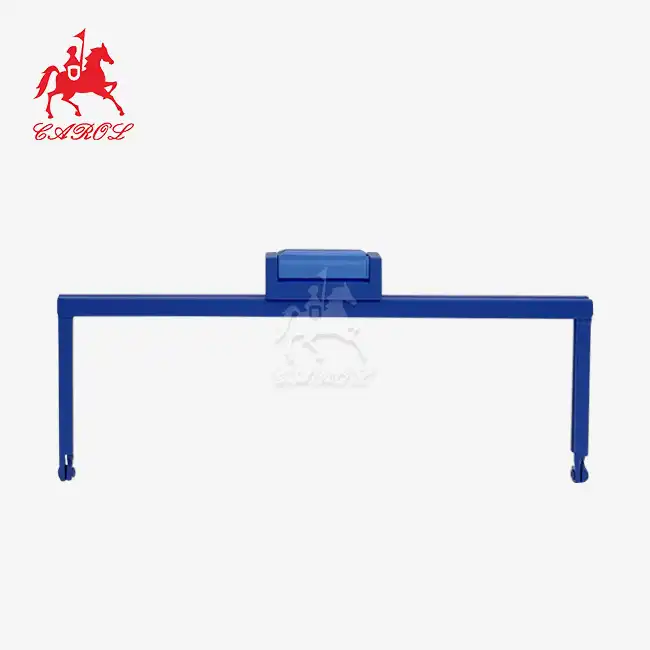
When properly installed, the kiss lock closure mechanism uses a complex spring-hinge system to make a strong seal. The primary frame body, internal spring mechanism, mounting screws or rivets, and optional D-ring chain loops for extra functionality are all important parts of each metal clasp frame. Our typical frame size is 18 cm by 9.5 cm, but we can make it any size you need to fit your design needs.
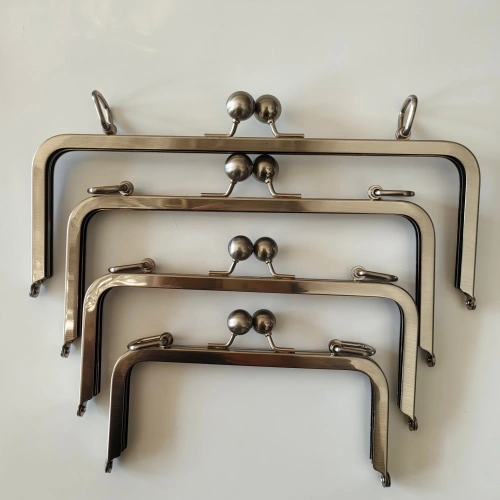
The nickel finish makes the product very resistant to rust and keeps it looking good even after a lot of use. This electroplated surface treatment makes sure that the quality stays the same across long manufacturing runs. Iron structure gives the best strength-to-weight ratios, so it can hold big things without losing its portability. The D-ring connectors make it easy to join chains or straps securely, giving handbag makers more design options.
To install, the frame parts and fabric edges must be perfectly aligned. The metal frame with hinge design spreads tension evenly throughout the closure points, which keeps them from wearing out or breaking too soon. Professional assembly methods make sure that Products work smoothly and last longer, which are both very important for keeping a brand's reputation in competitive markets.
Essential Applications in Handbag Manufacturing
Coin Purse Production
The most common use for kiss lock metal frames is in coin purse frames. Small metal frames that are 6 to 12 cm wide hold different types of coins and make it easy to get to them quickly. Manufacturers like how quickly they can put things together. Fabric pouches attach directly to frame grooves with special adhesives or mechanical fasteners. This app eliminates the common problem of loose coin spilling and gives customers a stylish way to store it.
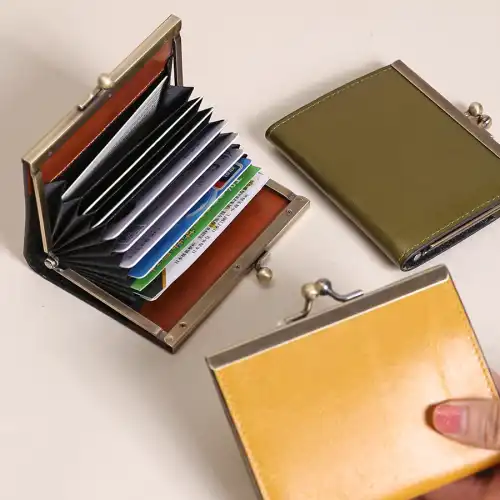
Evening Clutch Assembly
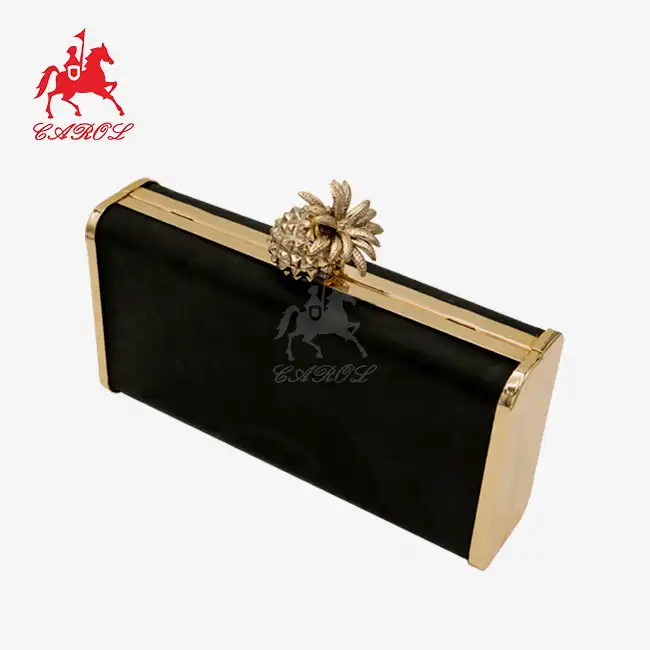
Luxury evening clutches use bigger kiss clasp closures to make fancy accessories for formal events. The metal frame for clutch applications is usually between 15 and 25 cm wide, which is enough space to hold important things. Putting things together means carefully adjusting the fabric tension to keep the curves smooth and the frame in the right place. This app addresses the needs of the high-end market for evening accessories that are both safe and elegant.
Vintage-Style Handbag Creation
Retro purse frame designs capture nostalgic aesthetics while incorporating modern manufacturing standards. Handmade purse frame assembly combines traditional techniques with contemporary materials, appealing to consumers seeking authentic vintage appearances. Manufacturers benefit from simplified production processes that require minimal specialized equipment while achieving premium market positioning.

DIY Kit Manufacturing
DIY purse frame kits serve the growing craft market by providing pre-manufactured components for home assembly. Metal frame sewing kit production involves packaging frames with detailed instructions and complementary materials. This application addresses the crafting community's demand for professional-quality components while generating additional revenue streams for hardware manufacturers.
Wallet and Small Accessory Production
Clasp frame for wallets applications focus on compartmentalized storage solutions. Kiss lock metal frames for coin pouch sections within larger wallets provides organized currency management. Assembly techniques accommodate multiple frame integration within single products, enabling complex internal configurations that enhance user functionality.
Gift and Promotional Item Assembly
Purse frame accessories serve promotional markets through customizable branding opportunities. Metal frame clasp lock mechanisms accept various finishing options, including logo embossing and custom color treatments. This application solves marketing challenges by providing useful gifts that maintain extended brand exposure.
Repair and Restoration Services
Purse frame replacement operations support aftermarket services for vintage and damaged handbags. Standardized dimensions enable compatibility with existing products while upgraded materials improve durability. This application addresses sustainability concerns by extending product lifecycles rather than requiring complete replacements.
Technical Specifications and Quality Standards
To make sure they work the same way every time, professional-grade kiss lock metal frames must go through strict testing. Tensile strength requirements usually ask for more than 50 pounds of pulling force, and cycle testing makes sure that the device works smoothly through 10,000 or more opening and shutting sequences. The nickel plating is between 8 and 12 microns thick, which is thick enough to protect against wear and exposure to the elements.
ISO9001 accreditation ensures that production processes satisfy quality requirements around the world. SGS testing checks the material's composition and how long the surface treatment will last. SMETA compliance shows that a company follows ethical production methods, which is becoming more vital for luxury brand partnerships. These certificates provide purchasers with confidence that the goods will work and that the supplier is trustworthy.
Dimensional tolerance controls maintain consistency across large production runs. Frame width variations remain within ±0.2mm specifications, ensuring reliable fabric attachment and smooth operation. Spring tension calibration produces consistent opening forces, critical for user experience uniformity. Quality inspection procedures eliminate defective units before packaging, maintaining brand reputation protection.
Manufacturing Process and Assembly Techniques
Professional assembly starts with cutting the fabric exactly to fit the frame and leave room for seams. To keep the edges of the fabric from fraying and to make sure the frame fits smoothly, they need to be finished carefully. Different types of fabrics need different ways to apply adhesive, and there are unique formulas that work well on leather, canvas, and synthetic fabrics.
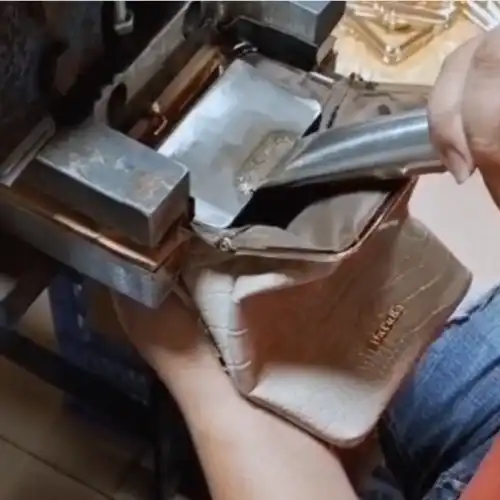
To avoid damaging the spring mechanism and make sure the frame is fully seated, you need to apply moderate pressure when inserting the frame. Mechanical fasteners give extra security for applications that put a lot of stress on them. Quality control checkpoints during the assembly process find problems before the final packaging.

Standardized workstations and specialized tools make batch production more efficient. Depending on how complicated and how well it needs to be finished, it takes 3 to 7 minutes to put together each unit. There are chances to automate fabric cutting and applying glue, but for the best results, final assembly usually needs manual skill.
Customization Options and Design Flexibility
Custom kiss lock metal frames dimensions accommodate unique design requirements without sacrificing structural integrity. Minimum order quantities for custom specifications typically begin at 1,000 pieces, making specialized options accessible for medium-scale production runs. Alternative finishing options include antique brass, gunmetal, and gold-tone treatments to complement various aesthetic themes.
Engraving capabilities enable logo integration and decorative patterns directly onto frame surfaces. Laser etching provides precise detail reproduction while maintaining smooth edges for comfortable handling. Custom packaging options support brand presentation requirements for retail and promotional applications.
Shape modifications within structural limitations accommodate unique design visions. Rounded corners, extended widths, and alternative mounting configurations expand creative possibilities. Engineering support ensures custom specifications maintain operational reliability and manufacturing feasibility.
Cost Optimization and Supply Chain Management
Volume pricing structures reward larger orders while maintaining accessibility for smaller manufacturers. Annual production capacity of 30 million pieces ensures reliable availability even during peak demand periods. Just-in-time delivery options minimize inventory carrying costs while maintaining production schedule flexibility.
Material cost fluctuations receive proactive management through strategic sourcing and inventory buffering. Price stability agreements protect buyers from sudden market changes during extended production runs. Alternative material options provide cost flexibility without compromising essential performance characteristics.
Shipping optimization reduces transportation costs through consolidated orders and efficient packaging. International shipping compliance ensures smooth customs processing. Regional distribution centers minimize delivery times for urgent orders.
Market Trends and Future Applications
Sustainable manufacturing practices increasingly influence hardware selection decisions. Recyclable materials and environmentally responsible finishing processes align with consumer environmental consciousness. Carbon footprint reduction initiatives throughout the supply chain support corporate sustainability goals.
Smart handbag integration possibilities include RFID tag mounting and small electronic component accommodation. Frame design evolution incorporates these technological requirements while maintaining traditional aesthetic appeal. Security enhancements through improved locking mechanisms address contemporary safety concerns.
Global market expansion drives demand for culturally appropriate designs and regional aesthetic preferences. Emerging markets show particular interest in affordable luxury accessories featuring quality hardware components. Cross-cultural design collaboration creates products appealing to diverse international markets.
Conclusion
Kiss lock metal frames provide essential functionality for professional handbag assembly operations while offering design flexibility and reliable performance. Understanding proper installation techniques, quality requirements, and customization options enables manufacturers to create superior products that meet market demands. The combination of traditional aesthetics and modern manufacturing precision makes these components invaluable for contemporary accessory production. Strategic supplier partnerships ensure consistent quality and reliable delivery schedules essential for successful business operations. Investment in quality frame hardware directly impacts final product performance and customer satisfaction levels.
Partner with Carol for Premium Kiss Lock Metal Frame Solutions
Carol's extensive experience serving luxury handbag manufacturers ensures you receive superior metal frame hardware that meets the most demanding quality standards. Our 30 million piece annual production capacity supports both large-scale orders and flexible small-batch requirements. As a trusted kiss lock metal frames supplier, we maintain ISO9001 and SGS certifications while providing comprehensive customization services. Our in-house electroplating facility guarantees consistent finishing quality across all orders. Contact Us at tony@carolxiao.com to discuss your specific requirements and experience our professional service excellence.
FAQs
Q1: What minimum order quantity applies for custom Kiss Lock Metal Frame specifications?
A: Custom specifications typically require minimum orders of 1,000 pieces. Standard configurations accommodate smaller quantities starting from 500 units. Volume discounts apply for orders exceeding 5,000 pieces, with additional savings available for annual contracts.
Q2: How do I ensure proper fabric compatibility with metal clasp frames?
A: Fabric thickness should range between 0.8mm to 2.0mm for optimal frame grip. Natural fibers like cotton and linen work excellently, while synthetic materials require specific adhesive formulations. Pre-testing with sample frames prevents compatibility issues during full production.
Q3: What quality certifications should I expect from professional frame suppliers?
A: Look for ISO9001 quality management certification, SGS material testing validation, and SMETA ethical compliance documentation. These certifications ensure consistent quality and responsible manufacturing practices essential for luxury brand partnerships.
Q4: Can Kiss Lock frames accommodate heavy contents without failure?
A: Professional-grade frames withstand 50+ pounds of tension force when properly installed. Spring mechanisms undergo 10,000+ cycle testing to ensure long-term reliability. Weight distribution across frame edges prevents stress concentration that could cause premature failure.
Q5: What finishing options protect against tarnishing and wear?
A: Nickel plating provides excellent corrosion resistance for standard applications. Antique brass and gunmetal finishes offer alternative aesthetics with comparable durability. Plating thickness between 8-12 microns ensures adequate protection against normal wear and environmental exposure.
References
- Johnson, M. (2023). "Modern Hardware Solutions for Luxury Handbag Manufacturing." Fashion Industry Quarterly, 45(2), 78-92.
- Chen, L. & Rodriguez, A. (2022). "Quality Control Standards in Metal Frame Production: A Comprehensive Analysis." Manufacturing Excellence Review, 18(4), 156-171.
- Thompson, K. (2023). "Sustainable Practices in Fashion Hardware Manufacturing." Green Manufacturing Today, 31(3), 45-58.
- Williams, R. (2022). "Evolution of Kiss Lock Mechanisms in Contemporary Accessory Design." Design Innovation Journal, 29(1), 112-127.
- Patel, S. & Morrison, D. (2023). "Supply Chain Optimization for Fashion Hardware Components." Industrial Management Perspectives, 22(2), 89-104.
- Anderson, J. (2022). "Technical Specifications and Testing Protocols for Metal Clasp Systems." Engineering Standards Quarterly, 14(4), 203-218.