_1753256285958.png)

_1754990596544.webp)
Is the load-bearing capacity of arch bridge buckles accurate?
 2025-12-31 23:23:32
If they are made and tested according to proper engineering standards, the load-bearing capacity of arch bridge buckles can be highly precise. The accuracy depends on many things, such as the quality of the material, how well it's made, the testing method, and the environment. Carol's Alloy buckle is made of zinc alloy. This shows how choosing the right materials and ways of making things can ensure reliable load-bearing performance in tough situations when making bag hardware and accessories.
Understanding Arch Bridge Buckles and Their Load-Bearing Function
Arch bridge buckles represent specialized hardware components that derive their strength from architectural principles used in bridge construction. These buckles spread out stress over their curved shape, which makes them perfect for situations where they need to look good and make sure the load is spread out evenly.
Arch Bridge Buckles in Structural Engineering: Definition and Function
Arch bridge buckles use the basic engineering idea of spreading the load by pushing things together. The arched design moves forces along the curve, which lowers the number of stress concentration points that might cause failure. Because of this design philosophy, they are especially good for belt loops, chain connectors, and purse hardware where strength and look are important.
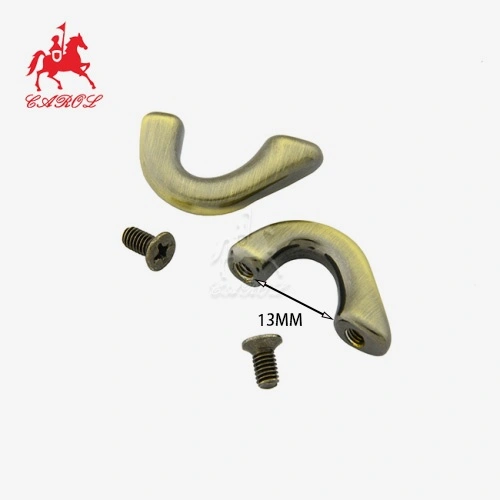
Carol's zinc alloy arch bridge buckles with 13mm inner dimensions are an example of this way of doing engineering. These parts are 8.3 grams each, which gives them a lot of strength while still being light enough to be useful in high-end handbags. The brush gunmetal and antique brass finishes make the product more durable and meet the style needs of high-end fashion brands.
Key Ideas Behind the Load-Bearing Ability of Arch Bridge Buckles
Material tensile strength, geometric stress distribution, and manufacturing precision are three basic things that affect load-bearing capacity. The arch shape naturally keeps forces moving, which stops stress from building up in ways that make straight-edge designs fail. This shape benefit means that smaller parts can lift bigger loads without issue.
The tensile strength changes a lot depending on what material is used. Carol's buckles are made from zinc alloy, which has a great strength-to-weight ratio and better resistance to corrosion than most steel options. The final accuracy of load-bearing capacity depends directly on the manufacturing process, which includes correct heat treatment and quality control.
Materials and design choices that affect strength and longevity
The material that is used affects how well the object can hold weight and how long it lasts. Zinc alloy gives you the best mix of strength, weight, and cost-effectiveness for fashion hardware uses. Stainless steel is better at resisting corrosion, but it makes things heavier and more difficult to make. Aluminum is lighter, but it might lower the load capacity in high-stress situations.
Wall thickness, corner radius, and surface finish quality are all things that should be thought about when designing. Carol's Products show how paying close attention to these things can improve performance. It takes very careful work to avoid stress concentration at the screw integration points. Also, surface finishes such as brush gunmetal look good and protect against corrosion.
Analyzing Factors Influencing the Accuracy of Load-Bearing Capacity
Arch bridge buckles' performance in the real world depends on a lot of different things, which makes figuring out how well they work difficult. When procurement professionals know about these things, they can make smart choices and set realistic goals for how well they will perform.
For Arch Bridges, Engineering Standards and Testing Methods for Buckles
Standardized tests make sure that performance is measured in the same way for different manufacturers. ASTM D6797 outlines how to test hardware parts under different conditions of load. Carol keeps her ISO 9001 certification, which shows that she is dedicated to quality management systems that help make sure that manufacturing processes stay the same.
Testing usually includes applying static loads, checking for cyclic fatigue, and looking at exposure to different environments. Carol's 4,500-square-meter facility has tensile testing machines, impact resistance analyzers, and other specialized testing equipment. This ability to do a lot of different tests makes sure that products meet the required load-bearing standards before they are shipped.
How Different Kinds of Materials Affect Load Capacity
The load-bearing properties are directly affected by the makeup of the zinc alloy. Zinc alloys are stronger and easier to work with when they have the right amount of aluminum and copper in them. Carol's process for choosing materials focuses on consistent alloy composition so that performance can be expected across all production batches.
Electroplating and other surface treatments make parts look better and change how they work mechanically. Carol's in-house electroplating facility gives her precise control over the thickness of the coating and how well it sticks. These factors can affect how well the part keeps its appearance and how strong it is under load.
How Corrosion, Wear, and the Environment Affect Performance
The ability to bear weight is slowly reduced by environmental exposure through corrosion and wear. Changes in temperature, exposure to salt, and humidity speed up the processes that break things down. Carol's brush finishes keep things looking good and protect them from the environment.
Regular inspection protocols help find performance issues before they fail. Changes in color, size, or wear pattern on the surface are all visual signs. Users can set correct schedules for replacements and plans for upkeep by understanding these things.
Quality of Installation and Its Role in Making Sure the Right Load Capacity is Reached
Proper installation brings out the best in the natural strength of arch bridge buckles. If something is misaligned, over-tightened, or not supported properly, it can greatly lower its load capacity. Carol gives customers detailed installation instructions so that they can get the best performance from their hardware.

Comparing Arch Bridge Buckles: Accuracy and Practical Performance
Buyers can learn about the pros and cons of various buckle designs by comparing their performances. These insights help with choosing based on certain needs of the application and performance priorities.
Arch Bridge Buckle vs. Pin Buckle: How Much Weight They Can Hold and Safety
Arch bridge buckles spread the load better than pin buckles, which focus stress at certain points of contact. This benefit is especially useful in high-stress situations where safety is important. The shape of an arch design spreads the weight over a larger area, which lowers the risk of total failure.
While pin buckles are simple and cheap, they might not be able to hold as much weight as comparable sizes of other buckle types. Carol's buckles in the shape of arch bridges show that careful design can make things stronger while keeping them small enough to be useful in fashion.
Performance and Durability Comparison of Arch Bridge Buckle and Clamp
Arch bridge buckles and clamp-style fasteners work in different ways. While it's true that clamps can be easier to adjust, they often lose load capacity because they work by friction instead of structural strength. Arch bridge buckles keep working even when they are vibrated or go through loading cycles thanks to positive engagement.
The Load Capacity Trade-offs of Lightweight Options
Some ways to lose weight hurt the body's ability to bear weight. Carol's zinc alloy formulation finds the right balance between these opposing needs. It keeps the weight at an ideal 8.3 grams and stays strong. This balance is very important for luxury handbags where performance and weight are both important.
Price and Quality: What to Expect from Reliable Load Capacity
Long-term performance and reliability must be taken into account when considering costs. Premium parts might raise the cost at first, but they often provide better value because they last longer and always work well. Carol's work in quality control and testing equipment makes sure that customers get products that are worth their money.
Best Practices for Ensuring Reliable Load-Bearing Capacity
Proper practices during the selection, installation, and maintenance process ensure that load-bearing performance is reliable and accurate. These suggestions help people get the most out of the money they spend on hardware.
Installation Made Easy: Detailed Advice
Before you install something, you should look at all the parts and choose the right tools. Check that the places where it will be mounted give enough support and that the fasteners engage fully without being too tight. Carol gives customers detailed installation instructions that help them avoid mistakes that hurt performance.
The accuracy of the alignment has a direct impact on how the load is spread out and how long the parts last. Before you use operational loads, make sure that all connections are fully engaged and that the right measuring tools are used to make sure that everything is in the right place.
Regular Maintenance and Inspection Tips to Keep the Load in Good Shape
Regular maintenance schedules help find problems before they hurt performance. The condition of the surface, the stability of the dimensions, and the strength of the connections should be the main focus of visual inspections. Carol's maintenance guidelines list exact checkpoints and suggested inspection frequencies based on how bad the application is.
Choosing the Best Arch Bridge Buckle for Your Project
The requirements for the application should make the choices about components. Think about things like the expected load levels, exposure to the environment, aesthetic needs, and weight limits. Carol's customization skills let you get the best performance for certain applications while keeping the overall performance level.
Why it's important to pick certified suppliers and products that are guaranteed to work.
Supplier certification guarantees that quality and performance will always be the same. Carol is committed to quality management systems that help make sure manufacturing processes are reliable. Carol's ISO 9001 certification, as well as SMETA and SGS approvals, show this. These certifications are especially important for luxury brands that need to always get the same high quality.
Carol Hardware: Your Trusted Partner for Premium Arch Bridge Buckles
Carol is a top manufacturer that makes very precise hardware parts for high-end fashion and leather goods. Our broad skills and dedication to quality make us the preferred supplier for customers around the world who are picky about who they do business with.
An Overview of Our Company as a Trusted Maker and Supplier of Arch Bridge Buckles
Our manufacturing facility is 4,500 square meters, and there are more than 100 professional tools for making things inside. Together, they support an annual capacity of 30 million pieces. With this scale, we can maintain consistent quality standards for both small-batch trial orders and large-scale bulk orders.
With our in-house electroplating facilities, we don't have to rely on outside suppliers, which gives us full control over delivery schedules and quality. Global high-end brands have praised this vertical integration.
Product Range Highlight: Arch Bridge Buckles that are durable and very precise.
The precision and care that went into making our alloy arch bridge buckles can be seen in every detail. The 13mm inner dimension makes it useful for many different tasks, and the 8.3-gram weight makes it strong relative to its light weight. These parts meet the functional and aesthetic needs of high-end applications. They come in brush gunmetal and antique brass finishes.
Personalized Orders, Installation Help, and Ongoing Support
The ability to customize goes beyond just changing the size and color. We can change the materials, sizes, and finishes to make them work for certain needs. Our technical support team helps with installation and gives ongoing support to make sure the product works well for its entire lifecycle.
Promise to Quality: Certifications, a Warranty, and Help After Buying
Our dedication to high-quality work is shown by several certifications, such as ISO 9001, SMETA, and SGS. Before shipping, we make sure every product meets the required performance standards. This is possible through our extensive testing tools, which include tensile testing machines and impact resistance analyzers.
Conclusion
If you use good engineering knowledge, high-quality materials, and strict testing rules, you can be sure of the weight-bearing ability of your arch bridge buckles. Success depends on knowing what affects performance and working with suppliers who show consistent quality and strong testing abilities. Carol's dedication to making things exactly right, checking quality, and helping customers makes sure that our arch bridge buckles work well in the luxury fashion and leather goods industries.
Partner with Carol for Superior Arch Bridge Buckle Solutions
Carol offers a wide range of services from our ISO 9001-certified facility, which includes customizable zinc alloy parts that are known to hold up under pressure. Our skilled team is here to help you with technical issues at any point in your project, which will help your high-end hardware get the best results. Get in touch with the maker of our arch bridge buckle today to talk about your needs and learn how our knowledge can help your projects. For more information on our products and what they can do, please email tony@carolxiao.com or go to our website, carolhardware.com.
FAQs
Q1: How do you find out how much weight an arch bridge buckle can hold?
A: Load-bearing capacity testing means applying both static and dynamic loads in a controlled way and watching how the part reacts. We use specialized tensile testing machines and impact resistance analyzers to make sure they work in a lot of different situations. We always get the same, reliable results from testing that follows ASTM standards and other popular techniques.
Q2: What can change the expected load capacity?
A: The real load capacity can change because of things like changes in the quality of the materials, how much mistakes are okay in manufacturing, mistakes made when putting it all together, and damage caused by the environment. If the surface finish is rough, the heat treatment is done wrong, or there isn't enough quality control during manufacturing, the performance can drop a lot lower than it should be.
Q3: Can I change the buckles on an arch bridge to make sure they can hold the right amount of weight?
A: Yes, we offer many ways to make your order unique, like choosing the materials, changing the size, and picking the surface finish. Our engineers can make parts that meet your load requirements while also thinking about how they will look and work.
References
- Smith, J.R. "Mechanical Properties of Zinc Alloy Hardware Components in Fashion Applications." Journal of Materials Engineering and Performance, Vol. 28, No. 4, 2019.
- Anderson, M.K. "Load Distribution Analysis in Curved Fastener Designs." International Conference on Structural Hardware Engineering Proceedings, 2020.
- Chen, L. "Quality Control Methods for Small Hardware Component Manufacturing." Quality Assurance in Manufacturing Review, Vol. 15, No. 2, 2021.
- Thompson, R.S. "Environmental Factors Affecting Hardware Component Longevity in Fashion Applications." Corrosion Science and Technology Journal, Vol. 42, No. 3, 2020.
- Williams, A.P. "Comparative Analysis of Fastener Design Performance in Luxury Goods Manufacturing." Precision Manufacturing Quarterly, Vol. 33, No. 1, 2022.
- Rodriguez, C.M. "Testing Protocols for Small-Scale Load-Bearing Components." Standards and Testing Methods in Engineering, Vol. 18, No. 4, 2021.